Free honest advice

🌫️ Condensation on Windows: Causes, Fixes & When to Replace Double Glazing

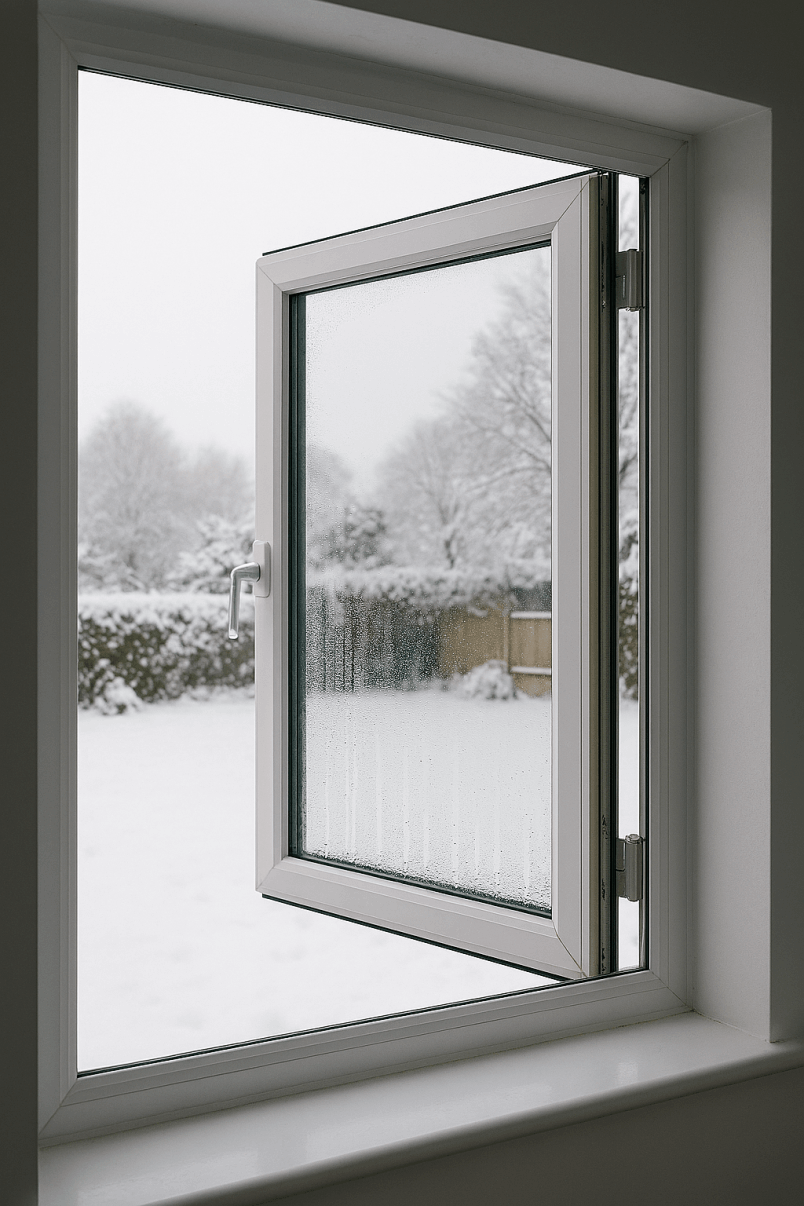
Condensation on windows is one of the most common issues in UK homes, especially in winter. It’s usually a sign of high indoor humidity meeting a cold surface.

Understanding the causes helps you fix the problem quickly and prevent damp, mould, and damage to your windows.

Lets start with..............

💧 Why is there condensation on my windows?

Condensation forms when warm, moist air touches a cold surface — like the inside of your double‑glazed windows.
Common sources of excess moisture include:

Cooking

Showering

Drying clothes indoors

Breathing (yes, really — a family of four produces litres of moisture daily)

Poor ventilation

Cold rooms or cold window surfaces

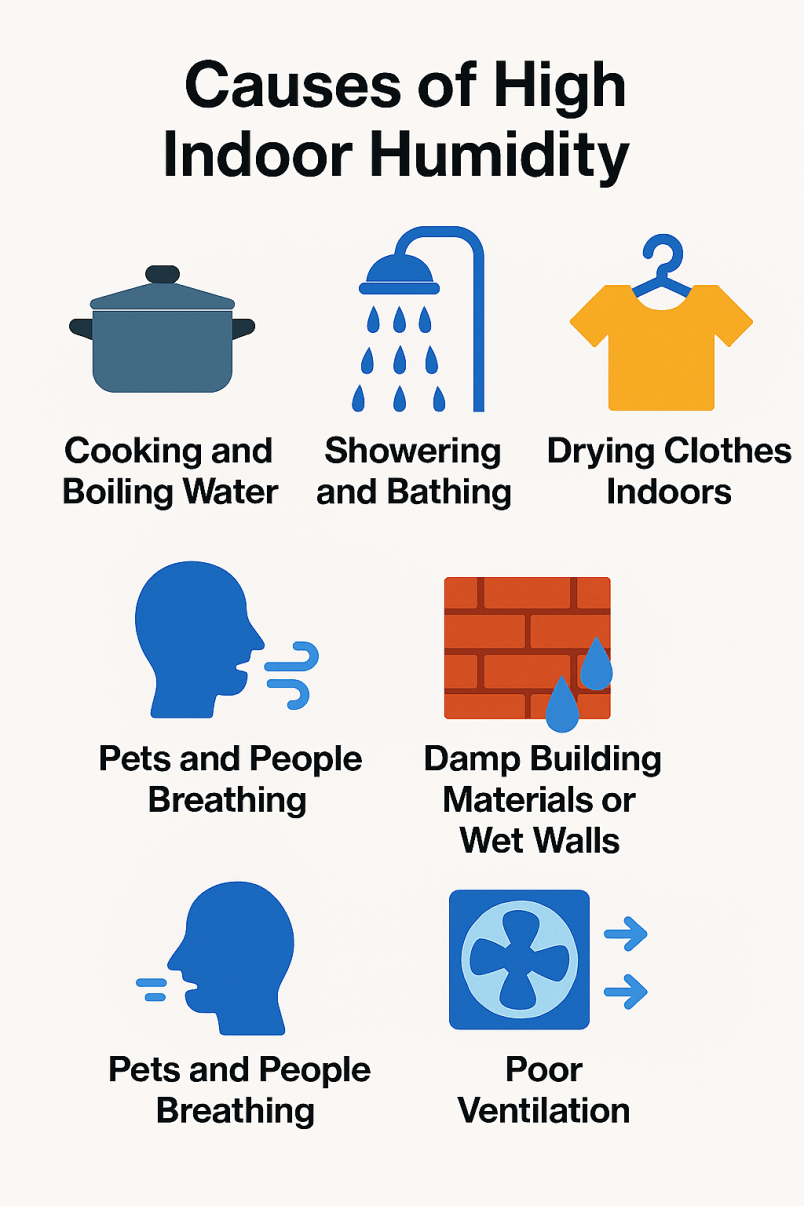
Causes of high humidity in houses

🔍 What’s causing high humidity in your home?

Humidity builds up when moisture can’t escape. This is especially common in:

Bathrooms without adequate extraction

Kitchens during cooking

Bedrooms overnight

Rooms with closed doors

Homes with new, airtight windows (great for energy efficiency, not great for airflow)

Open windows to exchange humid air with dry outside air

⚡ Immediate Fixes: Reducing Indoor Humidity

First things first: remove the condensation from the windows with a cloth, making sure the glass is almost dry. Then open the window for around ten minutes to change the air in the room. This removes the heavy, moisture‑laden air with high humidity and replaces it with drier air that won’t condense on the window. After that, close the window and set your heating to a minimum of 16°C, which is roughly the dew point and helps prevent further condensation from forming later.

Other quick fixes include:

Keeping internal doors closed—bathroom doors at all times, and kitchen doors when cooking.

Avoiding drying clothes on airers or radiators.

Ventilation remains one of the most effective short‑term ways to reduce high humidity levels.

Getting condensation number control

🔍 What’s causing high humidity in your home?

Unless you have a building issue such as damp or a leaking roof, you will need to make some changes to your lifestyle or routine.

Ventilation is one of the most effective short-term fixes for high humidity levels.

Running the exhaust fan in the kitchen while cooking, and in the bathroom after showering, helps draw humid air out of the home before it can settle on windows. For a quick air exchange, briefly opening a window for five to ten minutes each morning allows moisture‑heavy air to escape and be replaced with drier outdoor air.

🚿 Bathrooms:

Use the extractor fan during and after showers

Keep the door closed while showering

Open the window afterwards to release steam

🍳 Kitchens: 

Use lids on pans

Turn on the extractor fan while cooking

Avoid leaving kettles boiling unnecessarily

Ventilate the room after cooking

🛏️ Bedrooms:

Keep trickle vents open

Avoid blocking vents with blinds or curtains

Air the room daily for about 10 minutes in the morning

Consider leaving the door slightly open to improve airflow

🪟 Window Draughts:

Draughts can cool the glass, increasing condensation.
Check for:

Failed seals

Gaps around frames

Damaged gaskets

Repairs can often be done without replacing the whole window.

🪟 Condensation between the panes:

If you see moisture inside the double‑glazed unit (between the two panes), this means:

The sealed unit has failed

Moisture has entered the cavity

The unit will need replacing

This is different from surface condensation and cannot be fixed with ventilation.

🧱 Wet or Damp Walls:

If walls feel damp or cold:

You may have penetrating damp, rising damp, or cold bridging

High humidity can make walls feel wet even if the issue is condensation

A moisture meter can help identify the cause

Persistent damp should be investigated professionally

💨 Dehumidifiers:

Dehumidifiers can help when:

Rooms are consistently cold

Ventilation is limited

You dry clothes indoors

You’re dealing with ongoing damp issues

They’re not a cure, but they’re a powerful tool in managing humidity.

👕 Drying Clothes Indoors:

 Drying laundry inside releases a huge amount of moisture.
If you must dry indoors:

Use a heated airer with a cover

Run a dehumidifier nearby

Avoid drying clothes in cold rooms

Keep the door closed to contain moisture

1.

Reduce Humidity

Limit moisture at the source — cooking, showers, drying clothes.

2.

Take Control

Use extractor fans, trickle vents, and regular ventilation.

3.

Monitor

A digital hygrometer helps you track humidity (aim for 40–60%).

4.

Reduced

If humidity stays high, use a dehumidifier or improve ventilation.

Re-Cap

Everyday activities release moisture into the air.

Major sources include:

Cooking and boiling water

Showering and bathing

Drying clothes indoors

Pets and people breathing

Damp building materials or wet walls

Ventilation is key, exchange the air from outside to deduce humidity. 

Closed internal doors especially bathrooms and kitchens when in use. Condensation on toilet cisterns can add to humidity problems.

Air bricks above damp course cause cold walls adding to the condensation problem.

Trickle vents in windows help with ventilation, all modern window have night vents locking for added ventilation. 

Use a dehumidifier for taking control when drying cloths. 

And finally, remember to leave a review and recommend us to your family and friends.

Area we cover the Fylde Coast

Fleetwood, Thornton-Cleveleys, Poulton-le-Fylde, Blackpool, Lytham - St-Annes, Over Wyre, Garstang, Fylde Coast.